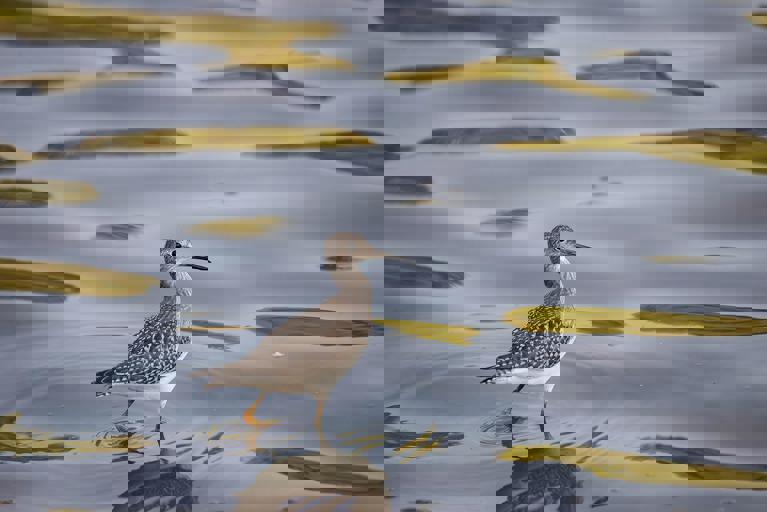
In an exciting development for nature enthusiasts and conservationists alike, a rare shorebird has returned to nest along the harbour after years of absence. Bird watchers and locals have flocked to the area, eager to catch a glimpse of this elusive species. The event has generated a sense of celebration and renewed appreciation for the delicate balance of the region's coastal ecosystems.
The specific bird species, known for its distinct mottled plumage and high-pitched call, is considered vulnerable in the United Kingdom. In recent years, habitat loss and increased human disruption have made nesting sites scarce, leading to a significant decline in its population. Sightings have grown infrequent, making this year's nesting event particularly significant for those monitoring avian biodiversity.
Dr. Evelyn Harris, an ornithologist affiliated with the Royal Society for the Protection of Birds (RSPB), expressed her excitement about the nesting. "This is a remarkable and hopeful sign," she noted. "It demonstrates the effectiveness of recent conservation efforts aimed at restoring dune habitats. The presence of this shorebird is a testament to how quickly nature can respond when given the right conditions."
The protected dunes along the harbour have undergone extensive restoration over the past decade. Local initiatives have included the removal of invasive plant species, the installation of informative signage to deter disturbance, and the restriction of foot traffic during critical nesting periods. These concerted efforts have not only benefited the rare shorebird but have also improved conditions for a range of other coastal wildlife.
Bird enthusiasts from across the region have gathered at observation points, some equipped with spotting scopes and cameras, hoping to record their own sightings. John Turnbull, a dedicated birder who has monitored the dunes for over twenty years, described the event as "the highlight of the summer." He remarked, "It’s been many seasons since we’ve had such a rare visit. The excitement in the community is palpable."
The return of this species is especially poignant given the challenges facing migratory birds in the UK. According to the British Trust for Ornithology, over 40 percent of wader populations have experienced decline in recent decades due to factors like coastal development, pollution, and climate change. The successful nesting is seen as a rare victory amid a concerning trend.
Wildlife officers have been quick to implement protective measures around the nesting sites. Temporary fences mark sensitive areas, and conservation volunteers patrol the perimeter to educate visitors about the importance of minimizing disturbances. Signs encourage dog owners to keep pets on leads and urge visitors to keep a respectful distance from the nesting grounds to ensure the safety of the birds and their chicks.
The presence of the shorebird has also had a positive ripple effect on local tourism and the economy. Nearby nature reserves and visitor centres report a surge in footfall, with guided birdwatching walks selling out within days. Small businesses, including cafes and equipment shops, have seen increased sales, further demonstrating the potential value of ecological events for local communities.
Schools in the area have incorporated the shorebird sighting into classroom activities, using the event as an opportunity to teach students about conservation, biodiversity, and the importance of protecting local habitats. Field trips to the dunes have become a highlight of the term, inspiring the next generation of wildlife stewards. Teachers have reported heightened engagement and curiosity among students.
Environmental groups are hopeful that the successful nesting will bolster support for ongoing habitat protection measures. Sarah Gordon, leader of the local conservation trust, highlighted the importance of collective action. "We must continue to invest in our natural spaces and foster community involvement. The return of this bird proves that when we work together, positive change is possible for threatened species and rich ecosystems alike," she stated.
Not all responses have been positive, however. Some residents raised concerns about increased visitor numbers potentially putting pressure on the already fragile dunes. Local councils have responded by issuing additional guidelines and limiting parking in certain areas. The priority, authorities say, remains the welfare of the protected habitats and species, with careful management necessary to balance access and conservation.
Experts now hope that this event will encourage ongoing monitoring and data collection. Accurate records of the bird’s presence, nesting success, and chick survival rates will inform future efforts to further improve habitat conditions. The RSPB plans to work closely with citizen scientists, who play a crucial role in gathering valuable information through regular site visits and observations.
Looking ahead, conservationists remain cautiously optimistic. The shorebird's successful return shines a light on what can be achieved through dedicated preservation efforts. Yet, they warn that continued vigilance is needed to maintien the region's biodiversity in the face of broader environmental threats. For now, birdwatchers and locals alike find joy in every flutter of wings and every hopeful chirp echoing across the protected dunes.