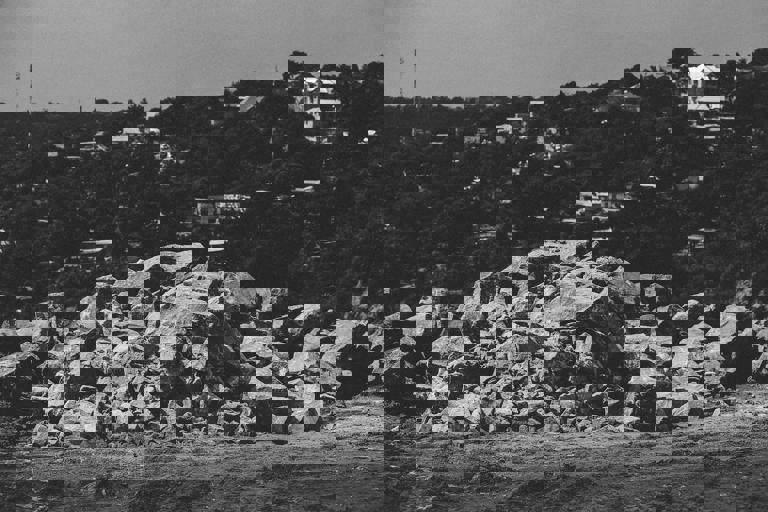
An abandoned quarry on the outskirts of the community is at the centre of a transformation proposal that could dramatically alter the local landscape. The plan, currently under review by the local council, aims to repurpose the former industrial site into a vibrant public nature reserve. Proponents argue such a conversion would benefit both biodiversity and community wellbeing, but the proposition has sparked considerable debate among residents and stakeholders.
The proposal, submitted by GreenSpace Trust, envisions a multi-stage process involving the rehabilitation of quarry land, planting of native species, construction of walking trails, and the creation of wildlife habitats. Advocates highlight that the site, untouched for years, offers a rare opportunity to provide accessible green space in an area increasingly pressured by development and population growth. The plan also promises educational programs focusing on environmental stewardship.
Supporters of the conversion point out that transforming disused quarries into nature reserves is a proven strategy elsewhere in the UK. According to a report by the Royal Society for the Protection of Birds (RSPB), similar projects have led to the return of native birds, insects, and small mammals. Local resident Mary Hopkins commented, “Turning this eyesore into something beautiful and valuable for families is long overdue.”
However, not everyone is convinced the project will be without challenges. Concerns have been raised regarding the potential costs associated with safety measures, ongoing maintenance, and public infrastructure required to support increased visitor numbers. Some residents, like John Whittaker, question, “Will the council have the resources to keep the reserve safe and clean in the long run?”
Accessibility is a major talking point in the debate. The remote location of the quarry means that new access roads, parking facilities, and possibly public transport connections would need to be developed. For individuals with mobility challenges or those living farther away, getting to the reserve could prove difficult. Planners have indicated they will conduct a comprehensive accessibility audit before moving forward.
Environmental experts welcome the chance to improve local ecosystems but stress the importance of careful planning. Ecologist Dr. Priya Venkatesan explained, “Restoring former quarries carries great potential for increasing biodiversity, but it must be done with respect for existing habitats. Unmanaged access can inadvertently disturb protected species already recolonising the area.”
The economic implications of the transformation are also under consideration. While the upfront investment is significant—estimated at £2 million—project backers assert that the long-term gains could outweigh costs. Green tourism, they argue, could boost the area’s profile, encourage small business development, and provide new employment opportunities for local residents.
Public consultation meetings have drawn strong attendance, reflecting the project’s visibility and the passion it elicits on both sides. At a recent forum, community members voiced both excitement and reservation, with many seeking detailed assurances about funding sources, environmental safeguards, and the long-term sustainability of the reserve. Council officials have promised transparent decision-making and ongoing dialogue with stakeholders.
Meanwhile, local schools and conservation volunteers have expressed keen interest in partnering on the project. Teachers cite the wealth of hands-on science learning opportunities a nature reserve could bring, while volunteer groups see potential for citizen science projects and traditional countryside skills training. Such collaborations, proponents argue, could instil a lasting sense of ownership and pride in the rejuvenated landscape.
As the council’s final decision approaches, a public survey has been launched to capture the community’s views. The results, alongside environmental impact assessments and financial feasibility studies, will inform the ultimate outcome. Whether championed as a beacon of urban greening or approached with caution given its complexities, the quarry’s fate now hangs in the balance, encapsulating broader debates about conservation, growth, and access to nature in modern Britain.