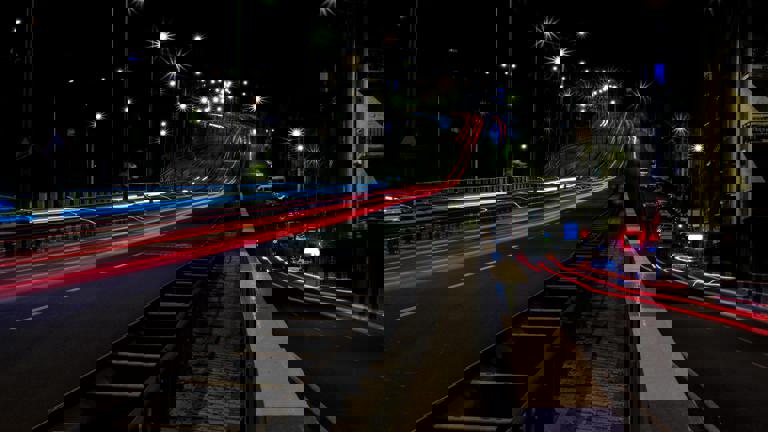
A major initiative is underway this week as several districts witness the rollout of upgraded streetlights featuring smart LED technology. The project, announced earlier this year by local authorities, aims to modernise public lighting, promising enhanced safety for pedestrians and drivers alike. Residents have quickly noticed the differences in brightness and visibility, sparking conversations about the positive impact of the new system on daily life throughout the area.
Officials from the municipal council cited security as a primary motivation for the upgrade. The new LED streetlights, equipped with advanced sensors and remote monitoring features, are expected to deter crime by illuminating public spaces more effectively than traditional sodium lamps. Inspector Claire Evans of the local police commented, “Improved lighting has a direct correlation with reduced antisocial behaviour and theft in public areas.”
Beyond security enhancements, the upgraded LED technology is poised to deliver significant energy savings. According to council energy officer Tom Mallory, the new smart LEDs consume up to 60% less electricity compared to their predecessors. This efficiency translates not only to lower utility costs for the council but also contributes to reduced carbon emissions, supporting the district’s environmental sustainability commitments.
Residents have been quick to express their approval of the changes. Local homeowner Anna Patel described the retrofit as “a fantastic improvement for our neighbourhood,” noting that the LED lights provide a more natural spread of light, making evening walks feel safer and more pleasant. Parents have echoed her views, appreciating better visibility at playgrounds and crossings during the darker winter months.
The installation process itself has been carefully managed to minimise disruption. Contractors are working in the evenings and early mornings, replacing ageing lamps street by street. Notices distributed in advance have helped residents plan for brief periods of dimmed lighting during the transition. The project is scheduled to be completed across all targeted districts within the next fortnight, weather permitting.
With the new smart technology, each light is connected to a central control system, allowing for real-time adjustments based on pedestrian or vehicle presence. This adaptive feature ensures lights shine brightest when needed and dim to conserve energy when streets are empty. Such innovations, council technology lead Simon Yates explains, “represent a smart step forward for public infrastructure and service delivery.”
The financial outlay for the upgrade, estimated at £1.2 million, has drawn attention for its projected long-term savings. A council report suggests that reduced maintenance costs—thanks to the longer lifespan of LEDs—could generate yearly savings of nearly £200,000. Additionally, automatic fault detection means issues can be addressed more quickly, thereby improving reliability and minimising dark spots.
Community groups have also highlighted the aesthetic benefits of the new lights. With cooler colour temperatures and uniform light distribution, the LEDs reduce glare and create a more welcoming nighttime environment. Local urban planner Dr. Rachel Cook points out, “Smart lighting not only makes our streets safer but also encourages evening socialising, supporting local cafes and small businesses.”
Some residents, however, have expressed concerns about the intensity of the new lighting near residential windows. In response, the council has introduced a feedback portal where citizens can request adjustments to brightness levels on individual lamps. This responsive approach aims to balance security and comfort, demonstrating officials’ commitment to community engagement and satisfaction.
Looking ahead, the council is exploring further smart city initiatives, such as integrating air quality and weather sensors into streetlights. As the rollout of the smart LED system concludes, local leaders hope the successful upgrade will inspire similar projects in other regions. For now, residents are welcoming a brighter, safer, and greener future thanks to a steadily modernising approach to public lighting.